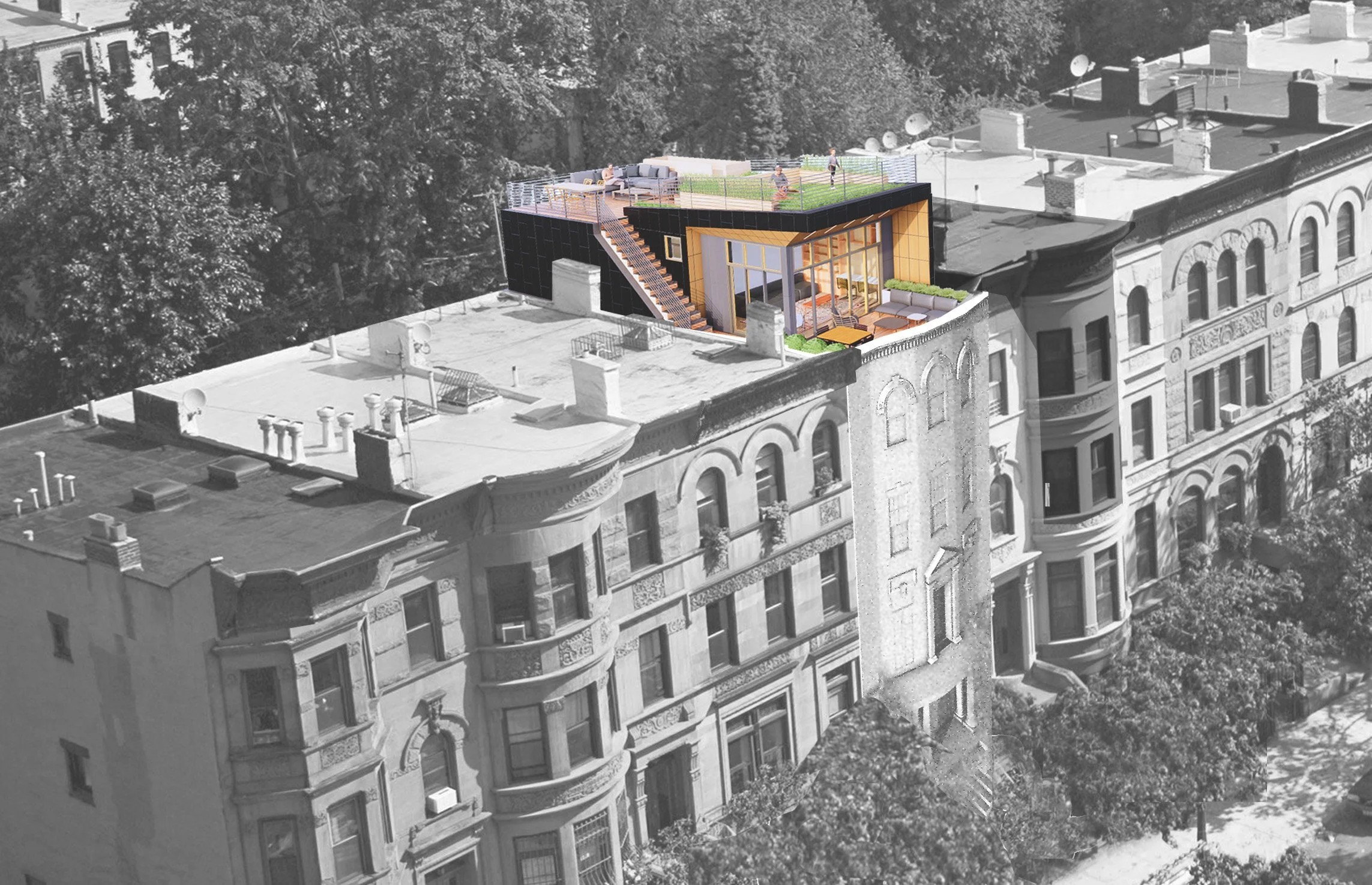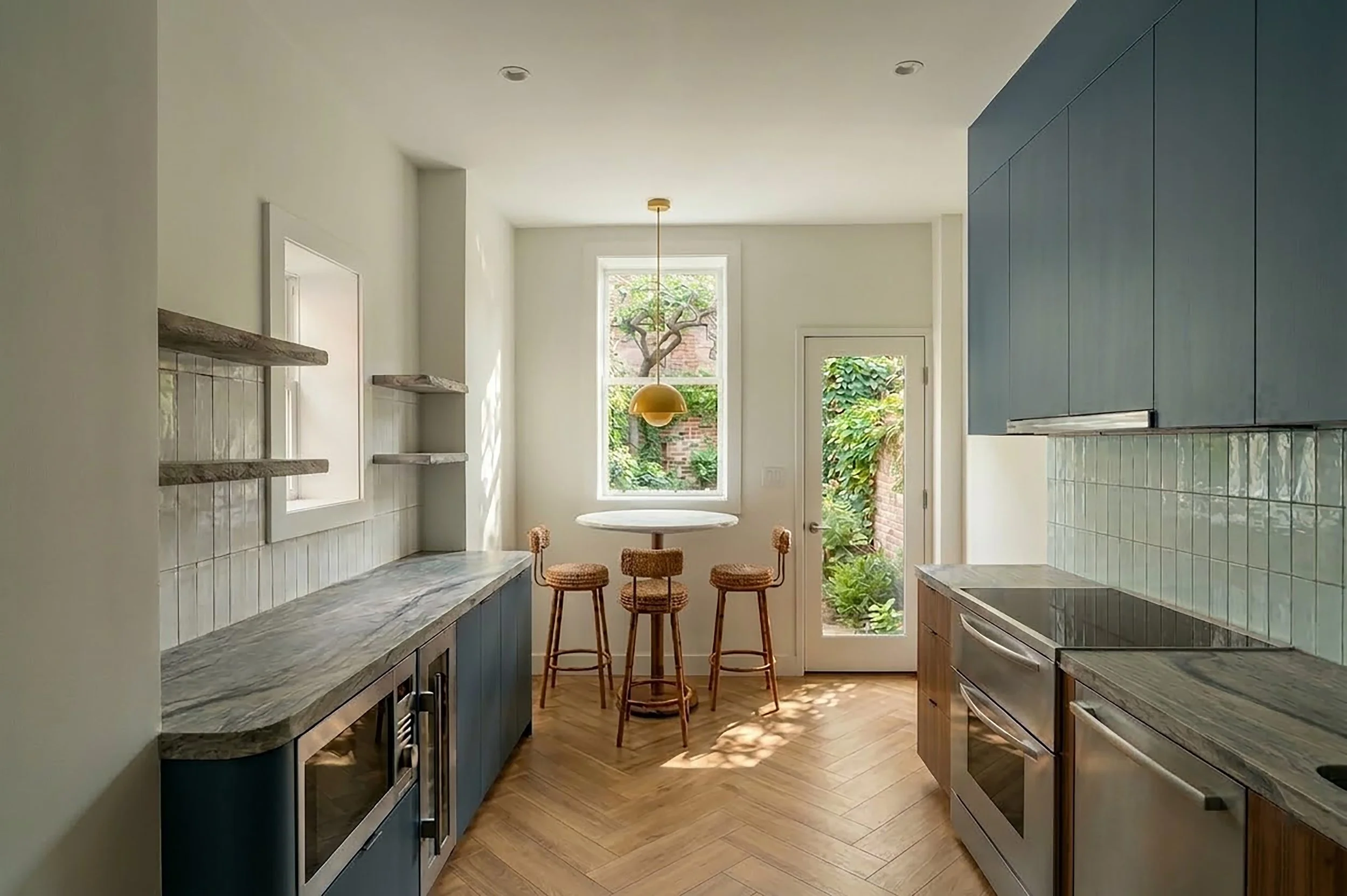
A century-old Brooklyn brownstone, long fragmented by accumulated subdivisions, is restored to coherence through a renovation that reorganizes the cellar, first floor, and second floor around the logic of light, movement, and daily life.
Read More
A century-old Brooklyn brownstone, long fragmented by accumulated subdivisions, is restored to coherence through a renovation that reorganizes the cellar, first floor, and second floor around the logic of light, movement, and daily life.
Read MoreThis luxury pied-a-terre renovation reimagines a 2-bedroom, 2.5-bath as an urban sanctuary, overlooking Central Park South, where elegant boldness meets quiet refinement.
The design concept, Urban Reverie, weaves together the glamour and historic soul of old New York with the tranquil presence of the park below. Lush textures and dramatic moments introduce a sense of cinematic opulence, while aged finishes and crafted detailing root the interiors in a timeless metropolitan character.
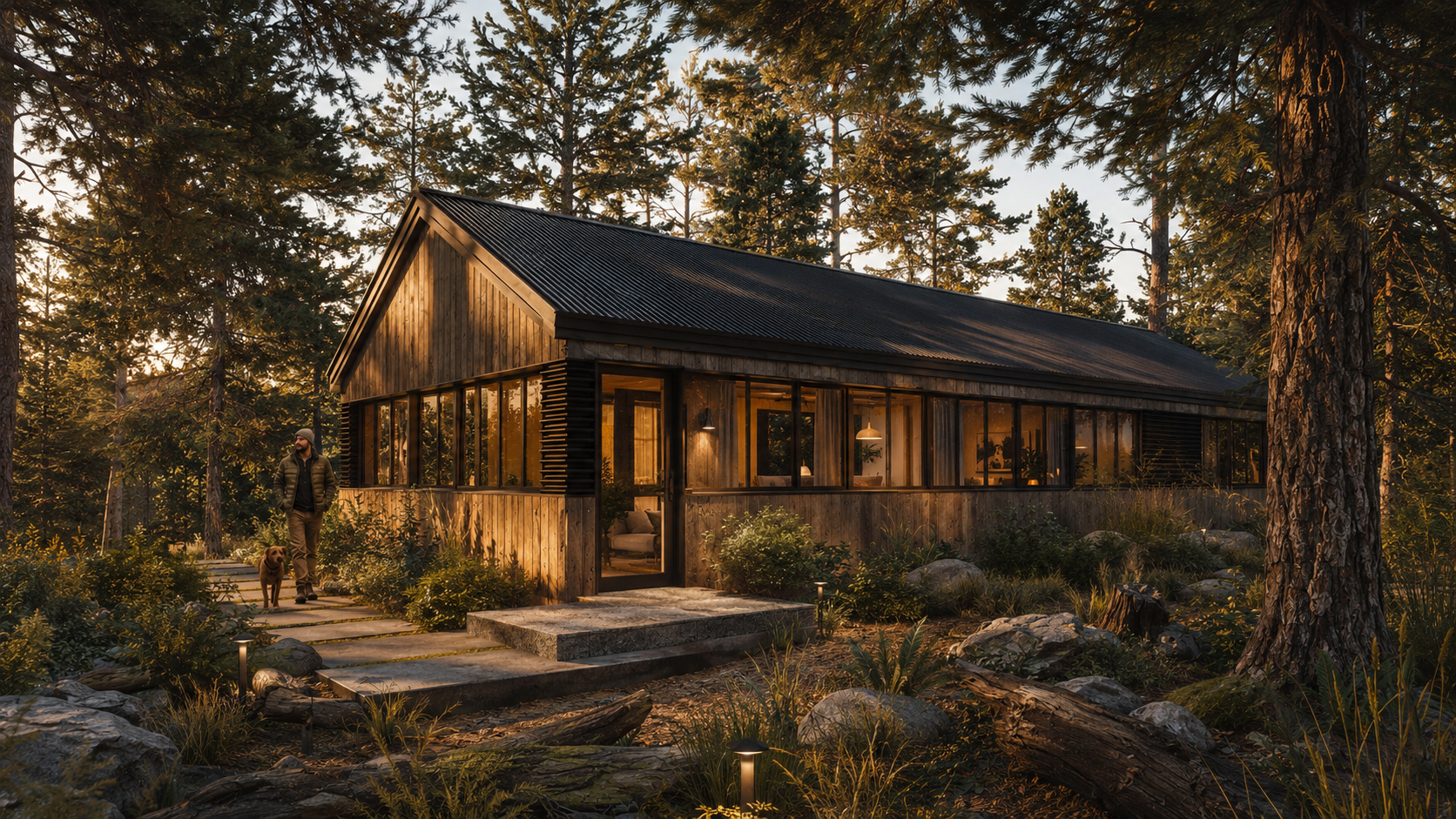
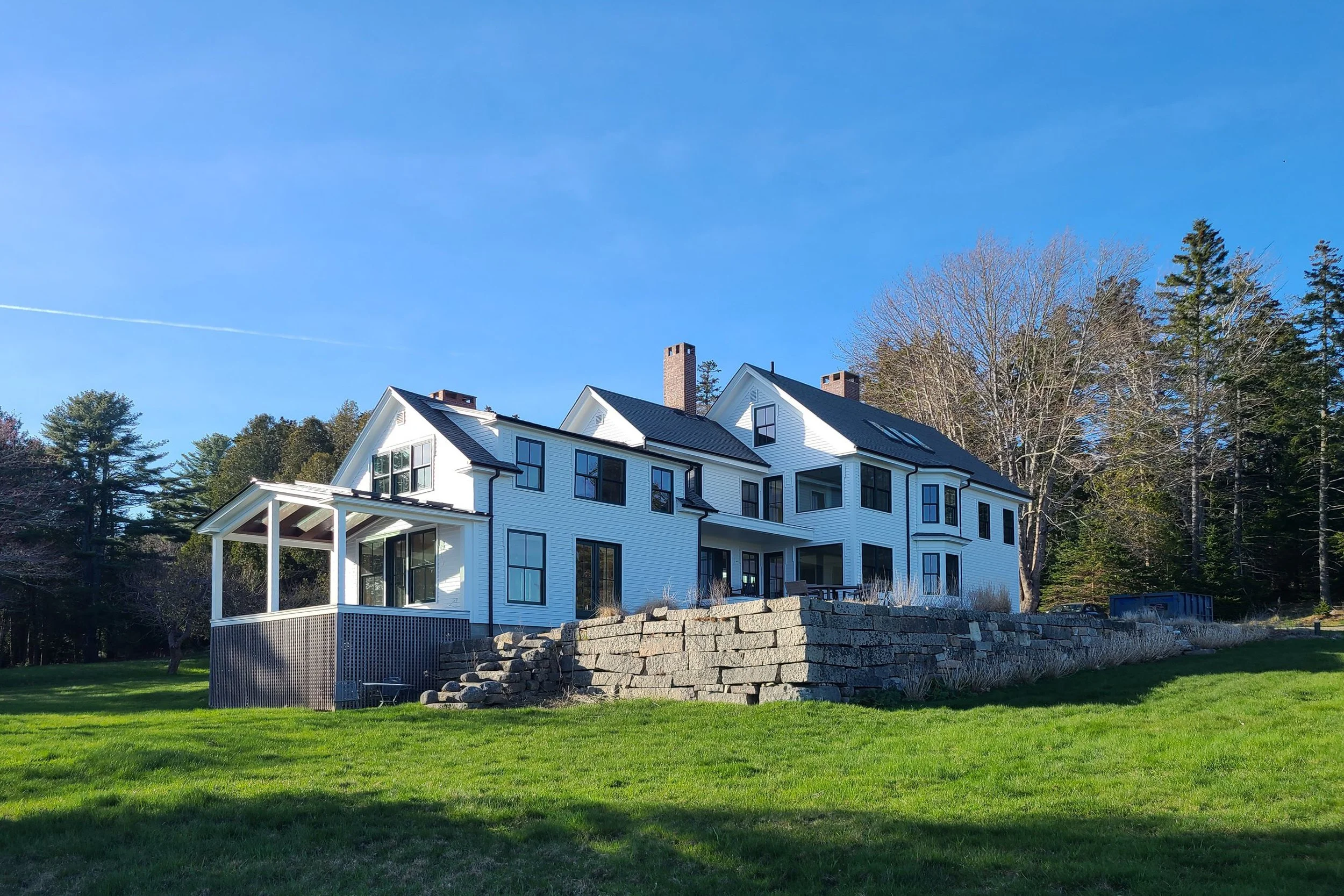
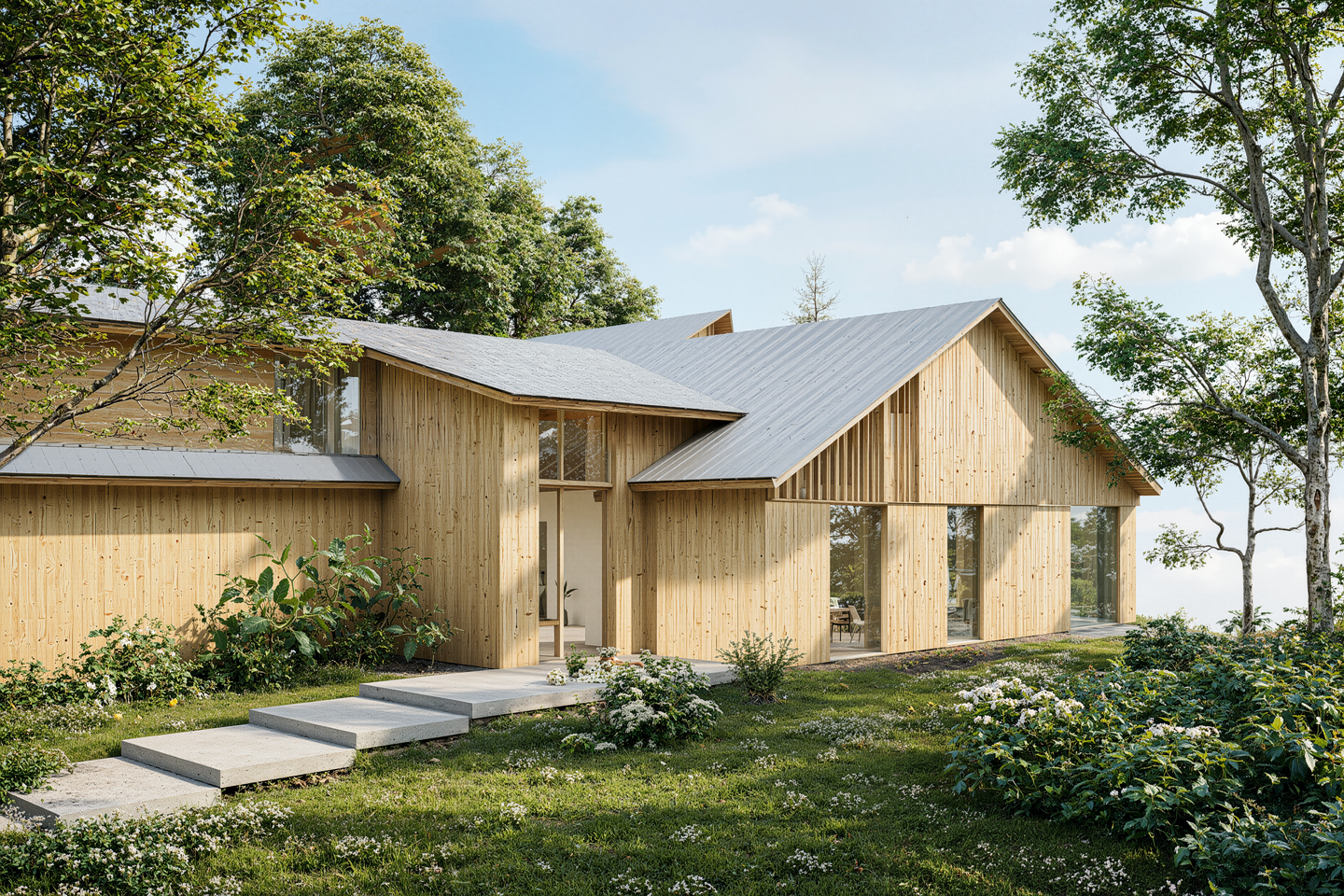
Read MoreThe Lake Sunapee House is situated on a sloping site overlooking the water in New Hampshire. The design seeks a balance between traditional familiarity and modern simplicity, creating a cozy retreat that is both rooted in its place and open to the landscape beyond. Wood siding serves as the primary exterior material, allowing the house to quietly settle into its wooded surroundings.
Read MoreWAKE was entrusted with creating a vibrant and inviting atmosphere for this artisan pizza restaurant. Tasked with architecture, interior design, and project management, we developed a holistic solution that reflects the client’s vision for a warm, modern dining experience
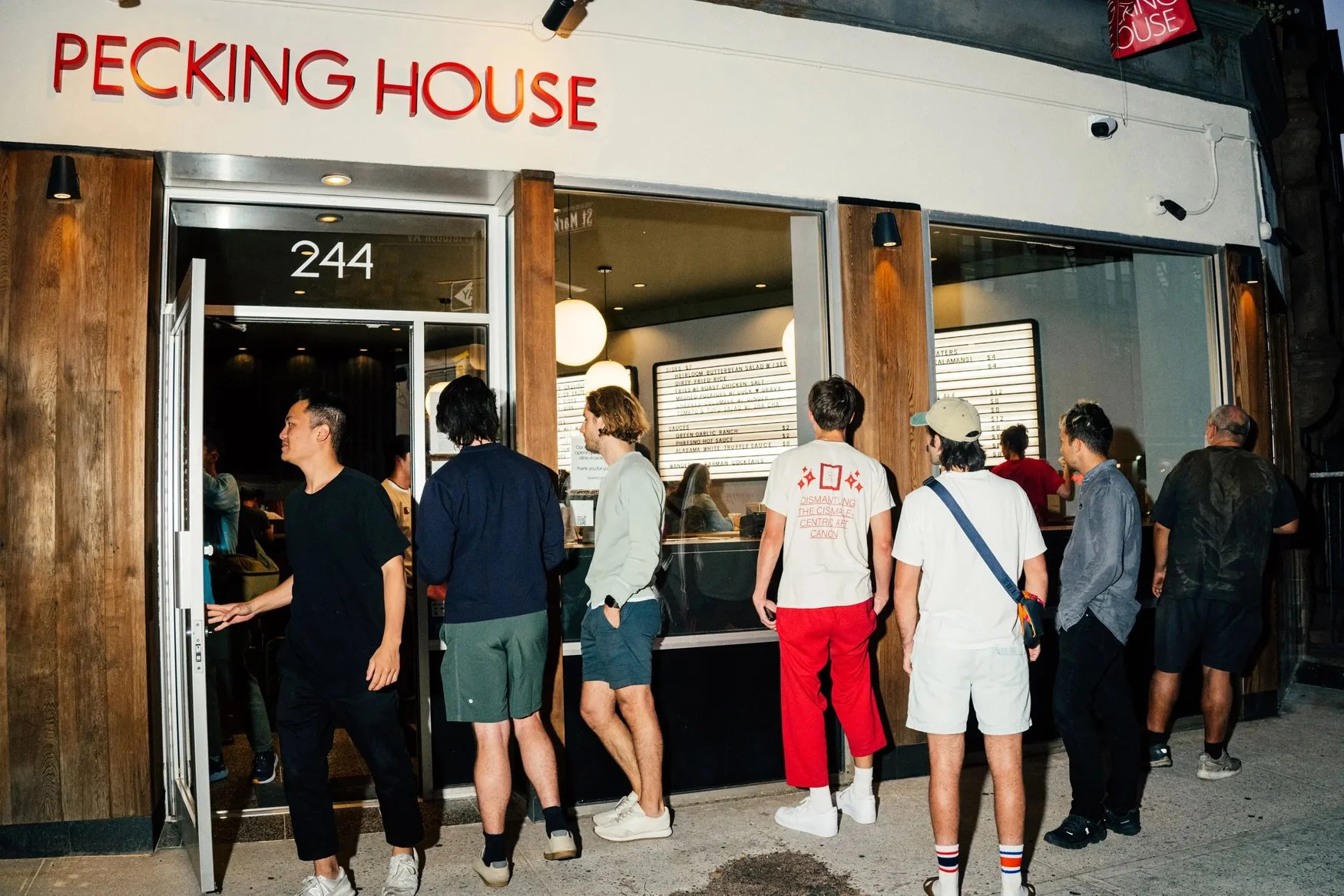
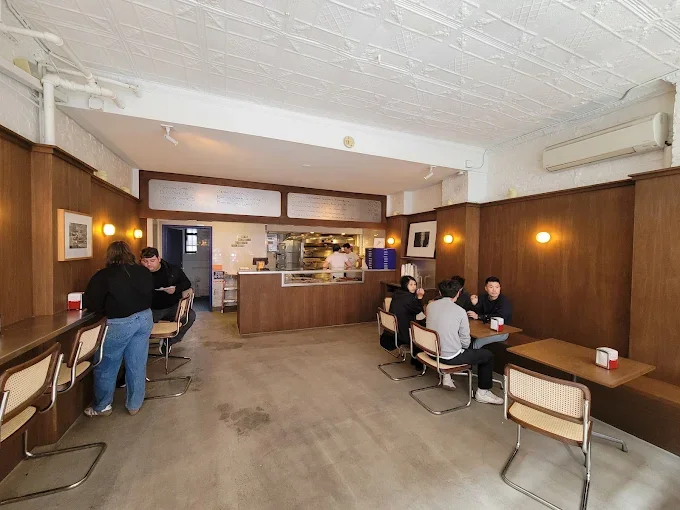
Read MoreThe restaurant's success has led to the opening of a second, more intimate location in Manhattan's Chinatown, offering a cozy dining experience that complements its renowned cuisine
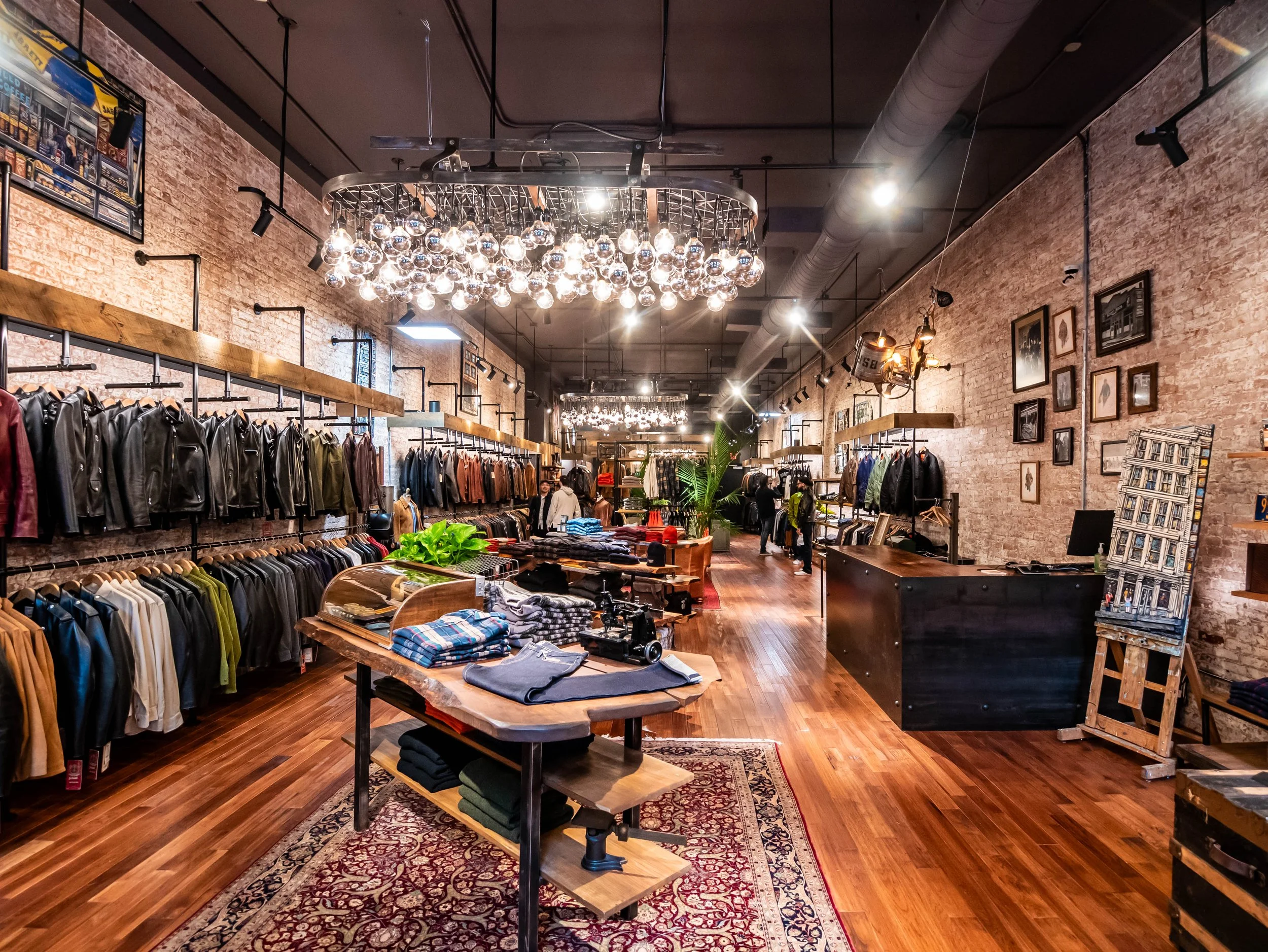
Read MoreWe’re proudly helping a hidden gem of NYC get a new home.
Read MoreEnvironmentally, renovation is significantly less disruptive than demolition and new construction. It reduces landfill waste and the demand for new building materials, decreasing carbon emissions associated with manufacturing and transportation. Moreover, retrofitting these structures with energy-efficient upgrades such as improved insulation, modern heating systems, and solar panels enhances their sustainability and reduces overall energy consumption.
Read MoreAs our planet continues to warm, sustainable building practices will become even more crucial to constructing new single-family homes for several reasons. Firstly, they significantly reduce the environmental impact of buildings by utilizing eco-friendly materials and energy-efficient technologies, such as solar panels and green insulation materials. This not only helps conserve natural resources but also decreases greenhouse gas emissions.
Read MoreSupportive housing in New York City is crucial for addressing some of the most pressing challenges its most vulnerable residents face. By combining affordable housing with essential services such as healthcare, job training, and substance abuse treatment, supportive housing provides a stable foundation for individuals and families to thrive. This approach helps reduce homelessness and alleviates strain on public services like emergency healthcare and the criminal justice system.
Read MoreNestled in the serene woods of New Hampshire, this innovative project entails the construction of an Accessory Dwelling Unit (ADU) designed to Passive House standards. The sustainable approach minimizes environmental impact by preserving the natural surroundings and removing only three trees.
Read MoreWAKE was approached by the owners of "Valor House" and asked to breathe new life into the building by giving it a singular vision that would enable it to stand the test of time and last another 100 years.
A tall order for a historic farmhouse, built in the 1880s, that provided Harold Ickes with a summer retreat and saw the likes of Eleanore Roosevelt vacationing there.
Read MoreA panelized prefab home is built faster with a higher degree of accuracy and stricter tolerances enabling a more energy-efficient home in less time. Prefab panelized homes can be assembled on-site in two days, with less building waste (according to the National Association of Homebuilder’s panelized prefab reduces onsite waste by 80%), better quality, and predictable timelines and budgets. Something standard onsite construction cannot achieve. A faster building cycle also means a more rapid ROI, whether you’re renting, selling, or living in your new home.
Read MoreAs two separate volumes lifted and overlapping one another, “The Garage” sets itself back from a busy road and nests itself within the key-point of the hillslope behind. From the road, and front of the building, standing seam black metal siding wraps itself up and around the building filling in the back and toe-slope of the hill, which most frequently caused flooding. From the rear of the house, visible to its neighbors, a gentle wood-clad structure rests itself atop the metal volume and gently settles itself into the landscape.
Read More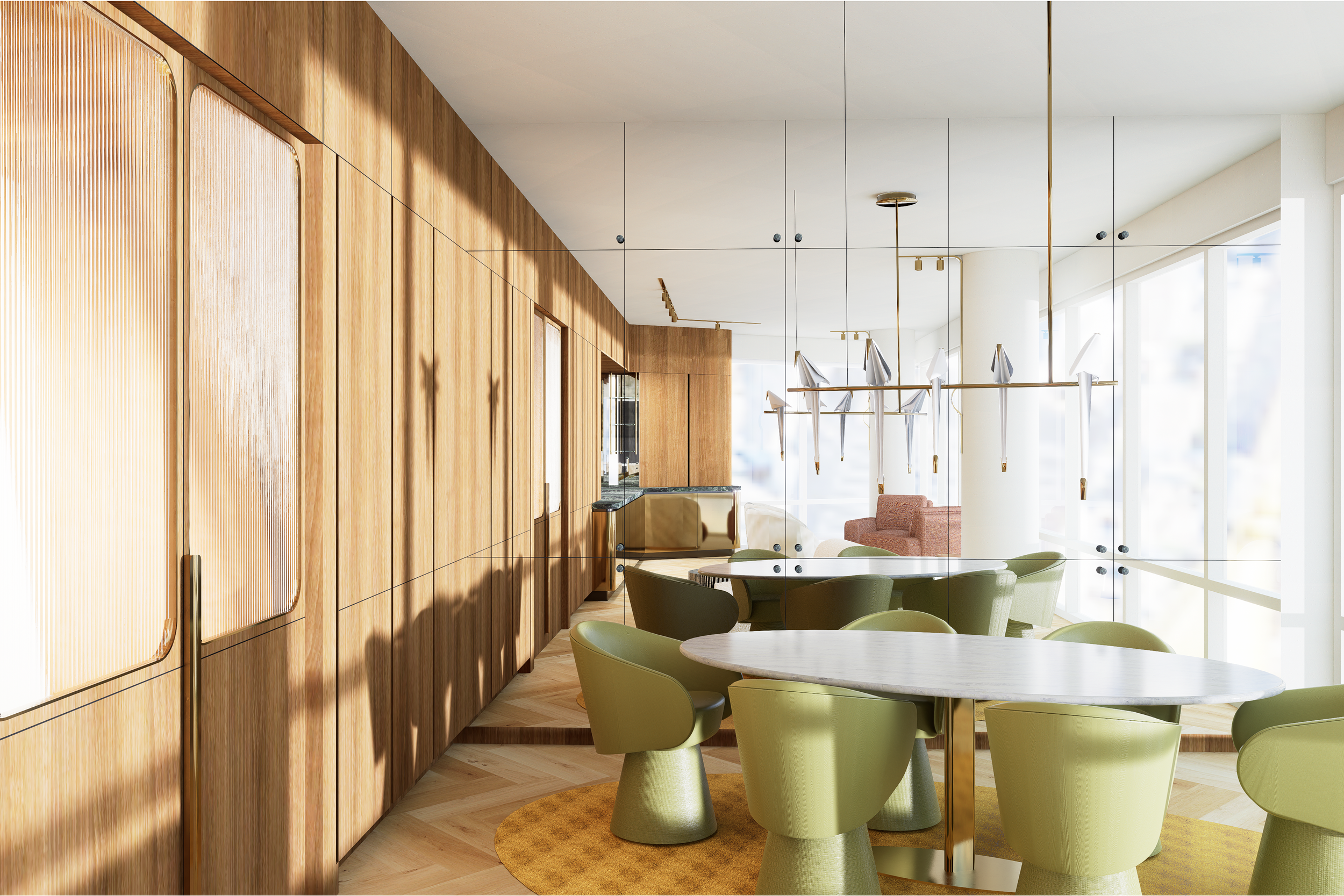

![Harlem Townhouse [Passive House]](https://images.squarespace-cdn.com/content/v1/5ecbd48a4800825652f8c397/1770658533407-S60AESRU07UGA0E91QTM/Kitchen+3.jpg)